Dubai is a vibrant hub where tradition meets modernity, and nowhere is this more evident than in the art of ladies tailoring shop. Tailoring shops across the UAE are sanctuaries of creativity, transforming fabrics into garments that reflect personal style, cultural heritage, and contemporary fashion. For women in Dubai—whether Emirati, expatriate, or visitor—ladies tailoring shop offers a bespoke solution to express individuality, honor traditions, and meet practical needs. From crafting intricate abayas for cultural celebrations to designing sleek business attire for professional settings, ladies tailoring shop are integral to the UAE’s fashion ecosystem.
Tailoring in Dubai is more than a service—it’s a craft rooted in cultural pride and personal expression. The nation’s diverse population, blending Emirati traditions with influences from South Asia, Southeast Asia, Africa, and the West, creates a unique demand for tailored clothing. This guide encompasses the full spectrum of tailoring services, ranging from bespoke dressmaking to niche offerings such as home furnishings, while also addressing emerging trends like sustainability and technology. By the end, you’ll have a thorough understanding of how to engage with tailors, what to expect from the process, and how to make the most of this timeless craft.
Overview of Ladies Tailoring Services Dubai
Ladies tailoring shop in Dubai offers a wide array of services, each requiring specialized skills to meet diverse fashion needs. These services range from creating custom garments to refining existing ones, ensuring every piece fits perfectly and aligns with the client’s vision.
Bespoke Dressmaking
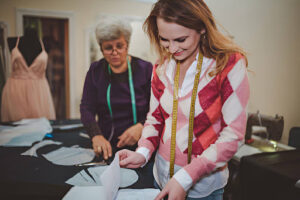
Bespoke dressmaking is the heart of ladies tailoring shop, where a garment is crafted entirely from scratch based on a client’s measurements, style preferences, and occasion. The process begins with an in-depth consultation, during which the tailor discusses the client’s needs, such as the desired silhouette, fabric type, and embellishments. For example, a client may request a flowing abaya with delicate embroidery for a cultural event or a structured evening gown for a gala. Tailors take precise measurements, accounting for body shape, posture, and even the client’s typical movements (e.g., sitting or walking) to ensure comfort and functionality.
The tailor then creates a custom pattern, often by hand or using digital software, which serves as the blueprint for the garment. Fabric is carefully cut to minimize waste, and the garment is assembled through a series of fittings—typically two to four—to refine the fit and details. Bespoke dressmaking allows for extensive customization, such as adding hand-stitched beadwork, incorporating unique necklines like off-the-shoulder or halter styles, or blending cultural elements (e.g., Emirati embroidery with Indian zari work). This process can take weeks, depending on complexity, and requires a skilled tailor to balance aesthetics with practicality, ensuring the garment drapes beautifully and withstands wear.
Alterations
Alterations are a critical service for refining existing garments to achieve a perfect fit or updated style. Common alterations include shortening hems, adjusting waistlines, reshaping sleeves, or resizing jackets to accommodate changes in body size. For instance, a client may bring a wedding dress that requires a tighter bodice or a longer train to achieve a dramatic effect. Tailors employ techniques such as seam adjustments, dart repositioning, and adding fabric panels to achieve seamless results. Restyling is another popular service, where an outdated dress is transformed into a modern design, such as converting a long gown into a midi skirt or adding contemporary embellishments like lace overlays.
The alteration process requires precision to preserve the garment’s original integrity while enhancing its appearance. Tailors assess the fabric’s condition, checking for wear or fading, and recommend solutions that maintain durability. For delicate materials like silk or chiffon, hand-stitching may be used to avoid damage. Alterations are particularly valuable in Dubai, where women often invest in high-quality garments and seek to extend their lifespan through expert adjustments.
Specialty Services
Specialty services cater to specific needs, such as crafting wedding dresses, corporate uniforms, or ethnic wear. Wedding dress tailoring is among the most intricate, involving techniques such as layering delicate fabrics (e.g., tulle or organza), applying intricate beadwork, or creating structured corsets to achieve a flattering silhouette. Tailors work closely with brides to incorporate personal touches, such as detachable sleeves or custom embroidery, ensuring the gown reflects both tradition and individuality.
Corporate uniforms necessitate a distinct approach, emphasizing consistency and branding. Tailors design uniforms that align with a company’s identity, using durable fabrics and standardized fits to ensure uniformity across employees. Ethnic wear tailoring demands cultural expertise, as tailors must master techniques such as draping a saree or crafting a Filipino barong Tagalog with delicate embroidery. These services often involve collaboration with clients to balance cultural authenticity with modern functionality, such as using lightweight fabrics for Dubai climate.
Fabric Sourcing and Quality Considerations
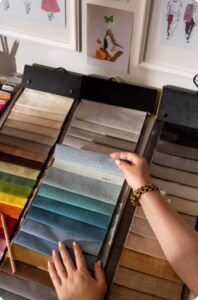
Fabric selection is a cornerstone of tailoring, as the material determines a garment’s appearance, comfort, and longevity. Tailors in Dubai offer a vast array of fabrics, from luxurious silks and satins to practical cottons and linens. For traditional garments like abayas, lightweight fabrics like crepe or georgette are popular for their flow and breathability. Evening wear may use heavier materials like velvet or brocade for a regal effect, while business attire often incorporates structured fabrics like wool blends for durability.
Tailors guide clients through the selection process, explaining how fabrics behave in different designs. For example, chiffon drapes elegantly for gowns but may not suit structured blazers, while cotton is ideal for casual dresses but less durable for heavy embroidery. Quality considerations include checking thread count, colorfastness, and fabric weight to ensure the garment withstands frequent wear or cleaning. Tailors may source materials from local markets or international suppliers, offering clients the option to choose their own fabrics or rely on the tailor’s expertise. Eco-friendly options, such as organic cotton or recycled polyester, are increasingly available, reflecting growing consumer awareness of sustainability.
History of Tailoring in Dubai
The history of ladies tailoring shop in Dubai is a rich tapestry that mirrors the nation’s transformation from a nomadic society to a global fashion hub. In pre-modern times, ladies tailoring shop was a domestic craft, primarily practiced by women in Bedouin communities. Using handwoven fabrics like cotton, wool, or camel hair, they crafted functional garments like abayas and burqas designed for modesty and protection from the desert climate. These early garments were simple, with minimal embellishments, and sewing was done by hand or with basic tools, reflecting the resource-scarce environment.
The discovery of oil in the 1950s and 1960s brought economic prosperity, attracting expatriate communities and introducing new tailoring techniques. Indian tailors brought expertise in embroidery, such as zari and mirror work, while Western influences introduced structured dressmaking for suits and gowns. By the 1970s, ladies tailoring shop had begun to emerge in urban centers such as Dubai and Abu Dhabi, catering to a growing middle class and expatriate population. These shops expanded their offerings to include bespoke dresses, traditional attire, and alterations, using imported fabrics like silk and velvet to reflect Dubai increasing wealth.
The 1990s marked a turning point, as Dubai shopping malls and fashion boutiques elevated tailoring to a professional craft. Tailors began specializing in high-fashion designs, such as evening gowns and wedding dresses, while preserving traditional techniques for abayas and mukhawar. The rise of technology in the 2000s introduced digital tools, such as pattern-making software and 3D body scanning, streamlining production and enhancing precision. Today, ladies tailoring shop in Dubai is a dynamic blend of heritage and innovation, with tailors striking a balance between cultural authenticity and modern demands, creating garments that resonate with a global audience.
Cultural Significance of Tailoring in Dubai
Tailoring is deeply embedded in Dubai cultural identity, serving as a medium for preserving heritage, expressing individuality, and bridging diverse communities. For Emirati women, garments like the abaya and mukhawar are more than clothing—they are symbols of modesty, elegance, and cultural pride. The abaya, a flowing black robe, is often customized with intricate embroidery, Swarovski crystals, or lace to reflect personal style while adhering to cultural norms. The mukhawar, a traditional Emirati dress, features vibrant colors and regional patterns, with tailors incorporating motifs that signify family heritage or tribal affiliations.
Ladies tailoring shop plays a central role in cultural events like Eid, Ramadan, and UAE National Day, where women commission bespoke garments to celebrate. For example, an abaya for Eid might feature gold embroidery and a modern cut, blending tradition with contemporary flair. Tailors work closely with clients to incorporate symbolic elements, such as specific colors for joy or motifs representing unity, ensuring garments resonate with the occasion’s significance.
The UAE’s diverse population adds another layer to tailoring’s cultural role. Expatriate women from India, Pakistan, the Philippines, and beyond rely on tailors to create attire that honors their cultural roots while adapting to the UAE’s climate and social context. For instance, an Indian saree might be tailored with lighter fabrics for comfort, while a Filipino barong tagalog dress may feature simplified embroidery for everyday wear. Tailors act as cultural ambassadors, blending global influences with local aesthetics to create garments that celebrate diversity and foster inclusivity.
How to Choose the Right Ladies Tailoring Shop
Selecting the right tailoring shop is a critical step to ensure a high-quality garment and a positive experience. Several factors and considerations guide this decision, helping clients find a tailor who meets their needs.
Factors to Consider
Expertise and Specialization: Tailors vary in their areas of expertise, so choose one with experience in the type of garment you desire. For example, a tailor skilled in wedding dresses may not excel in creating ethnic wear, such as sarees. Review their portfolio or request samples of similar work.
Turnaround Time: Timelines are crucial, especially for event attire. Reliable tailors provide clear estimates and prioritize timely delivery, striking a balance between speed and quality. Discuss deadlines upfront to avoid delays.
Location and Accessibility: Proximity matters, particularly for multiple fittings. Shops in urban areas may offer home services, while those in residential neighborhoods provide a more personal touch. Consider convenience when choosing.
Fabric Knowledge: A skilled tailor guides clients in selecting fabrics, explaining how materials like chiffon, silk, or cotton suit various designs. They should also advise on durability and maintenance, taking into account the UAE’s climate.
Customer Service: Effective communication is key. A skilled tailor listens to your vision, offers valuable suggestions, and provides regular updates throughout the process. Look for shops with a collaborative, client-focused approach.
Questions to Ask
What types of garments have you tailored recently, and could you provide some examples?
How many fittings are included, and what is the typical timeline?
Do you source fabrics, or should I provide my own? What are the quality options?
What is your process for revisions if the garment doesn’t meet expectations?
Do you offer express services for urgent orders, and if so, how do they impact quality?
Red Flags
Unclear Communication: If a tailor is vague about timelines, processes, or fabric options, it may indicate a lack of reliability.
Lack of Transparency: Avoid shops that don’t provide detailed information about their services or refuse to show past work.
Poor Workmanship: Low-quality stitching, uneven hems, or substandard fabrics are indicators of inexperience or cost-cutting measures.
No Customization Options: A reputable tailor offers flexibility in design, allowing clients to personalize their garments.
To streamline the process, create a checklist that includes verifying the tailor’s expertise, reviewing their portfolio, confirming timelines, and ensuring they understand your vision. Visiting the shop or scheduling a consultation provides insight into their professionalism, workspace cleanliness, and attention to detail. For complex projects, consider a trial alteration to test the tailor’s skills before committing to a bespoke garment.
Pricing and Turnaround Times
The cost and timeline for tailoring services depend on multiple factors, making it essential to understand the process for informed decision-making. Bespoke dressmaking, such as crafting an abaya or wedding gown, typically requires more time and resources than simple alterations like hemming or resizing. Key factors influencing cost include:
Fabric Quality: Luxurious materials like silk or velvet require more investment than cotton or polyester, as they demand specialized handling and stitching techniques.
Design Complexity: Intricate designs, such as hand-stitched embroidery or layered wedding dresses, involve more labor and expertise, increasing costs.
Urgency: Express orders for events like weddings or cultural celebrations often come at a premium due to prioritized scheduling and overtime work.
Turnaround times vary by service. A standard bespoke dress, such as an abaya, typically takes one to two weeks, including consultations, pattern-making, cutting, sewing, and fittings. Complex garments, such as wedding dresses with beadwork, may require three to four weeks to ensure precision. Alterations typically take less time, with simple tasks like hemming completed in one to three days, while extensive restyling may take a week. For bulk orders, such as corporate uniforms, timelines extend to accommodate larger quantities, often requiring two to three weeks for production and quality checks.
Clients should discuss timelines during the initial consultation to ensure the tailor provides a detailed schedule that includes fittings and final delivery. Clear communication about urgency and complexity helps set realistic expectations, preventing delays or rushed work that could compromise quality.
Trends in Ladies Tailoring Shop in Dubai
The Dubai tailoring industry is shaped by dynamic fashion trends that reflect its cultural diversity and global influence. These trends blend traditional craftsmanship with modern innovation, catering to a style-conscious population.
Popular Styles
Current fashion trends emphasize versatility, with women seeking garments that transition from casual to formal settings. Flowing abayas with minimalist designs are popular for daily wear, featuring subtle embroidery or monochromatic palettes for understated elegance. Kaftans with bold prints or geometric patterns are favored for cultural events, offering comfort and style. Indo-fusion dresses, combining Indian embroidery with Western cuts, appeal to expatriate women, while bodycon dresses and tailored blazers cater to professionals seeking sleek, modern looks. Maxi dresses and palazzo pants remain staples for casual fashion, with tailors incorporating lightweight fabrics for Dubai climate.
Sustainable Tailoring
Sustainability is a growing priority, with tailors adopting eco-friendly practices to meet the demands of consumers. Organic cotton, bamboo, and recycled polyester are popular choices, offering breathability and reduced environmental impact. Zero-waste cutting techniques minimize fabric scraps, while some tailors repurpose leftovers into accessories, such as scarves or bags. Ethical sourcing ensures fabrics come from suppliers with fair labor practices, aligning with global sustainability standards. Clients can support these efforts by choosing tailors who prioritize eco-conscious materials and transparent production processes.
Technology in Tailoring
Technology is transforming tailoring, enhancing efficiency and accessibility. Online customization platforms enable clients to design garments virtually, selecting fabrics, colors, and details from the comfort of their own homes. 3D body scanning provides precise measurements, reducing fitting errors and enabling remote tailoring for busy clients. Digital pattern-making software streamlines the design process, allowing tailors to create complex patterns quickly and accurately. Automated cutting machines ensure precision, particularly for bulk orders or intricate designs. These advancements complement traditional craftsmanship, ensuring bespoke quality while meeting modern demands.
Customer Stories and Case Studies
Tailoring transforms lives by creating garments that empower confidence and celebrate individuality. Consider the story of an Emirati woman preparing for her wedding. She collaborated with a tailor to design a gown that blended traditional embroidery with a modern silhouette, incorporating family motifs to honor her heritage. The process involved multiple fittings to perfect the fit, with the tailor adding hand-stitched crystals for a radiant effect. The final gown was a masterpiece, earning praise at the wedding and becoming a cherished heirloom.
Another case involves a boutique owner who partnered with a tailor to produce a small collection of sustainable abayas. The tailor sourced organic cotton and used zero-waste techniques, creating designs that appealed to eco-conscious customers. The collection sold out quickly, highlighting the demand for ethical fashion. A third example features a professional woman who had an ill-fitting suit altered to enhance her confidence during presentations. The tailor adjusted the jacket’s shoulders and waist, transforming the suit into a polished, empowering outfit.
These stories showcase the collaborative nature of tailoring, where clients and tailors work together to bring visions to life. Whether for personal milestones, business ventures, or everyday wear, tailored garments meet diverse needs, fostering creativity and self-expression.
Tips for Maintaining Tailored Garments
Proper care is crucial for preserving the beauty and longevity of tailored garments. Delicate fabrics, such as silk, chiffon, or organza, require dry cleaning to prevent damage, as machine washing can cause shrinking or fading. Cottons and linens can often be hand-washed with mild detergent, but always check the fabric’s care label. For embroidered garments, such as abayas or mukhawar, avoid ironing directly on the embellishments; use a pressing cloth or low-heat steam to protect the beadwork or threads.
Storage is equally important. Use breathable garment bags to shield dresses from dust and humidity, which is common in the Dubai climate. Avoid thin hangers for heavy garments, as they can stretch or distort the shape; opt for padded or wooden hangers instead. For long-term storage, place silica gel packets in garment bags to absorb moisture and prevent damage. Regular maintenance, such as checking for loose threads, frayed seams, or worn embellishments, prevents minor issues from escalating. Return to the tailor for repairs, such as restitching seams or resizing garments, to maintain their original fit and appearance.
Clients should also consider seasonal care. In Dubai’s hot summers, store winter garments, such as velvet dresses, in cool, dry places to prevent mildew. For frequently worn items, such as business attire, rotate their use to reduce wear and tear. Following these practices ensures tailored garments remain vibrant and functional for years.
Tailoring for Special Occasions
Tailoring for special occasions, such as weddings, galas, or cultural celebrations, demands exceptional skill and attention to detail. Wedding dresses are among the most complex projects, requiring techniques like layering delicate fabrics (e.g., tulle or lace), creating structured corsets, or applying intricate beadwork. Tailors collaborate with brides to design gowns that reflect their vision, whether it’s a traditional Emirati dress with gold embroidery or a modern mermaid-style gown. The process involves multiple fittings to ensure a flawless fit, with adjustments made to the bodice, train, or sleeves for both comfort and aesthetic appeal. Custom touches, such as detachable overskirts or personalized embroidery, add a unique flair to the final piece.
For galas or formal events, tailors craft evening gowns with bold designs, such as asymmetrical hemlines, plunging necklines, or metallic fabrics that make a statement. These garments are tailored to enhance the wearer’s silhouette, utilizing techniques such as darting or boning for added structure. Cultural celebrations, such as Eid or UAE National Day, call for bespoke abayas or jalabiyas featuring vibrant colors and embellishments. Tailors may incorporate symbolic motifs, such as the colors of the UAE flag or traditional tribal patterns, to honor the occasion.
Urgent orders are common for special events, with tailors offering express services to meet tight deadlines. Clients should provide clear design references, attend all fittings, and communicate urgency to ensure quality isn’t compromised. The result is a garment that elevates the occasion, leaving a lasting impression.
Tailoring for Ethnic Wear
The UAE’s diverse population drives demand for ethnic wear tailoring, with tailors crafting garments that honor cultural traditions while adapting to local needs. Indian tailors specialize in sarees, anarkalis, and lehengas, utilizing techniques such as zari embroidery, mirror work, or sequin detailing to create intricate designs. A saree, for example, requires precise draping and pleating to ensure it falls elegantly, with tailors adjusting the border or pallu for a personalized fit.
Pakistani tailors excel in crafting shalwar kameez and churidar, focusing on tailored fits that strike a balance between comfort and elegance. These garments often feature heavy embroidery or stonework, requiring skilled hand-stitching to maintain durability. Filipino tailors craft barong Tagalog dresses, which are made from lightweight, transparent fabrics like piña or jusi, adorned with delicate embroidery for formal events. Other ethnic styles, such as African dashikis or Moroccan kaftans, are also tailored to reflect cultural authenticity.
For cultural festivals like Diwali, Eid, or Christmas, tailors create vibrant, celebratory designs that incorporate traditional colors and motifs. They adapt fabrics to suit the UAE’s hot climate, using breathable materials like cotton or georgette. Clients should provide detailed references, such as photos or sketches, to ensure the tailor captures the desired cultural aesthetic while meeting practical needs.
Sustainable and Ethical Tailoring
Sustainability and ethics are transforming the tailoring industry, reflecting global and local priorities. Eco-friendly fabrics, such as organic cotton, bamboo, linen, or recycled polyester, reduce environmental impact while offering comfort in the UAE’s climate. Organic cotton, for instance, is grown without pesticides, making it a sustainable choice for abayas or casual dresses. Bamboo is naturally antibacterial and breathable, ideal for summer wear, while recycled polyester repurposes plastic waste into durable fabrics.
Tailors employ zero-waste cutting techniques to minimize fabric scraps, utilizing precise patterns to optimize material utilization. Leftover scraps can be transformed into accessories, such as scarves, headbands, or patchwork designs, further reducing waste. Ethical practices ensure fair wages, safe working conditions, and transparency in sourcing, aligning with consumer demand for responsible fashion. Some tailors partner with certified suppliers who adhere to environmental and labor standards, ensuring fabrics are sustainably produced.
Clients can support sustainability by asking about fabric origins, choosing eco-friendly materials, and opting for tailors who prioritize ethical practices. Discussing production processes during consultations helps ensure environmentally and socially responsible choices, contributing to a greener fashion ecosystem in the UAE.
Technology in Tailoring
Technology is revolutionizing tailoring, enhancing precision, efficiency, and accessibility. Online customization platforms enable clients to design garments virtually, selecting fabrics, colors, and embellishments from the comfort of their own homes. These platforms often include visualizers that show how a design will look, enabling clients to experiment with options before committing. For example, a client can design an abaya with specific embroidery patterns and preview the result in real-time.
3D body scanning is another game-changer, creating accurate digital models of a client’s measurements. This technology eliminates errors from manual measurements and supports remote tailoring, ideal for clients with busy schedules. Digital pattern-making software streamlines the design process, allowing tailors to create complex patterns quickly and adjust them for multiple fittings. Automated cutting machines ensure precision, particularly for intricate designs or large-scale orders, such as uniforms.
Some tailors utilize augmented reality (AR) to provide virtual fittings, allowing clients to see a digital representation of the garment on their own body. These advancements complement traditional craftsmanship, ensuring bespoke quality while meeting modern demands. Clients benefit from faster turnarounds and greater flexibility, particularly in urban centers where technology adoption is high.
Tailoring for Plus-Size Women
Tailoring for plus-size women addresses the challenge of finding well-fitting clothing in a market often dominated by standard sizes. Tailors specializing in plus-size designs focus on creating flattering silhouettes that enhance confidence and comfort. Techniques such as strategic dart placement, adjustable waistbands, or flowing fabrics help create balanced proportions. For example, a plus-size abaya may feature subtle pleats to streamline the silhouette, while a tailored blazer may include structured shoulders for definition.
The process begins with a consultation to understand the client’s preferences and concerns, such as mobility or breathability. Tailors take detailed measurements, accounting for curves, posture, and movement, to ensure a perfect fit. They may recommend fabrics like lightweight crepe or stretch blends that offer comfort without clinging. Body-positive tailoring emphasizes collaboration, with tailors listening to clients’ needs and suggesting designs that celebrate their individuality.
Clients should communicate openly about their style goals and any fit issues they’ve faced with off-the-rack clothing. Multiple fittings ensure the garment evolves with feedback, resulting in a piece that empowers the wearer. Tailors who specialize in plus-size designs often have a portfolio showcasing their expertise, helping clients feel confident in their choice.
Tailoring for Corporate Uniforms
Corporate uniforms require tailoring that strikes a balance between professionalism, branding, and comfort, catering to businesses across the UAE’s diverse industries. Tailors work with companies to design uniforms that reflect brand identity, incorporating logos, color schemes, and standardized fits. For women, uniforms may include tailored blazers, skirts, dresses, or abayas designed for ease of movement during long work hours. Fabrics such as cotton blends or wool are chosen for their durability and breathability, ensuring employees remain comfortable in the UAE’s climate.
The process involves consultations to understand branding needs, followed by fittings to ensure a polished fit for all employees. Tailors use precise measurements and quality control to maintain uniformity across bulk orders, which may range from dozens to hundreds of pieces. They also offer maintenance services, such as alterations or repairs, to keep uniforms in top condition. For example, a hotel chain may commission tailored dresses for its front-desk staff, with tailors ensuring a consistent design and fit across all locations.
Clients should provide clear brand guidelines and discuss employee feedback to ensure comfort and functionality. Tailors with experience in corporate orders can recommend designs that strike a balance between aesthetics and practicality, helping businesses maintain a professional image.
Tailoring for Children’s Clothing
Tailoring for children’s clothing addresses the unique needs of young wearers, whose growing bodies and active lifestyles require durable, adjustable garments. School uniforms are a common request, with tailors using sturdy fabrics like cotton-polyester blends to withstand daily wear and tear. These uniforms are designed with adjustable features, such as elastic waistbands or extendable hems, to accommodate growth spurts. Tailors ensure precise measurements, factoring in comfort for long school hours.
Party dresses for children feature playful designs, such as tulle skirts, embroidered motifs, or vibrant colors, tailored for special occasions like birthdays or cultural events. Fabrics such as cotton or lightweight satin are chosen for their comfort and ease of movement. The tailoring process involves quick turnarounds, as parents often need garments on short notice. Tailors also offer alterations to extend the life of children’s clothing, such as resizing a dress as a child grows.
Parents should work closely with tailors to discuss fit, fabric durability, and design preferences. Providing measurements and allowing for growth ensures garments remain functional and stylish, meeting the practical needs of children and parents alike.
Tailoring for Home Furnishings
Some ladies tailoring shop extend their expertise to home furnishings, creating custom curtains, pillowcases, upholstery, or table runners. This niche service applies the same precision as clothing tailoring, ensuring a perfect fit for home decor. For curtains, tailors measure windows accurately to achieve the desired length and fullness, using fabrics such as linen, cotton, or velvet to complement the interior style. Blackout linings or thermal fabrics can be added for privacy or energy efficiency, ideal for the UAE’s sunny climate.
Upholstery projects, such as reupholstering sofas or chairs, require durable fabrics and expert stitching to withstand daily wear and tear. Tailors may incorporate patterns or textures that match a client’s decor, such as geometric prints or neutral tones. Pillowcases and table runners are tailored with decorative elements, such as piping or embroidery, adding a personalized touch to homes.
Clients should provide detailed measurements and discuss aesthetic goals, such as color schemes or room ambiance. Tailors with experience in home furnishings can recommend fabrics and designs that enhance functionality and style, transforming living spaces with bespoke craftsmanship.
Tailoring for Emerging Designers
Tailors are vital partners for emerging fashion designers in the UAE, helping bring creative visions to life through small-batch production and prototyping. Designers often start with sketches or mood boards, which tailors translate into tangible garments. This process involves creating patterns, selecting fabrics, and producing samples for fashion shows, boutiques, or client presentations. For example, a designer may collaborate with a tailor to create a capsule collection of abayas with modern embroidery, ensuring each piece reflects their brand’s aesthetic.
Tailors offer feedback on feasibility, suggesting adjustments to improve fit, reduce costs, or enhance production efficiency. They may recommend alternative fabrics or construction techniques to achieve the desired look within budget constraints. For small-batch orders, tailors ensure consistency across pieces, maintaining high quality for commercial sales. Prototyping is a critical step, enabling designers to test their designs before scaling up production.
Designers should provide clear references and communicate their brand vision, while tailors bring technical expertise to refine the final product. This partnership fosters innovation, enabling new talent to establish a foothold in the UAE’s competitive fashion industry.
Common Tailoring Mistakes and How to Avoid Them
Tailoring mistakes can lead to disappointing results, but proactive steps can prevent them. Common errors include:
Inaccurate Measurements: Incorrect measurements result in poor fit, such as tight sleeves or loose waistlines. Clients should stand naturally during measurements and attend all fittings to ensure accuracy.
Unsuitable Fabrics: Choosing heavy fabrics for summer dresses or flimsy materials for structured garments can compromise comfort and durability. Discuss fabric options with the tailor, taking into account the climate and wearability.
Unclear Instructions: Vague design briefs lead to misaligned expectations. Provide detailed references, such as sketches, photos, or fabric swatches, to clarify your vision.
Rushed Timelines: Hurrying the process can result in sloppy stitching or skipped fittings. Allow sufficient time, especially for complex designs like wedding dresses.
To avoid these issues, communicate openly with the tailor, attend all fittings, and review the portfolio to ensure their expertise aligns with your needs. For first-time clients, start with a small project, like an alteration, to test the tailor’s skills before committing to a bespoke garment. Regular feedback during the process ensures the final product meets expectations.
Tailoring for Men vs. Women
While some tailors serve both genders, ladies tailoring shop often specialize in women’s clothing due to distinct design and fitting requirements. Women’s garments, like abayas, evening gowns, or sarees, emphasize draping, embellishment, and contouring to enhance feminine silhouettes. Techniques include adding darts for shape, incorporating embroidery for elegance, or using flowing fabrics for movement. Multiple fittings are common to perfect curves and proportions, ensuring comfort and aesthetics.
Men’s tailoring, such as suits or thobes, focuses on structured cuts and minimal embellishment, prioritizing clean lines and functionality. Measurements are often more standardized, with fewer fittings required. For example, a man’s suit emphasizes shoulder alignment and trouser length, while a woman’s dress may require intricate adjustments to the bodice or hemline. Ladies tailoring shop may offer men’s services but often excel in women’s designs due to their complexity and cultural significance in the UAE.
Clients should select tailors with expertise in their desired garment type, ensuring the best results tailored to their specific needs. Understanding these differences helps set realistic expectations and fosters effective collaboration.
Regulations and Standards in UAE Tailoring
The UAE’s tailoring industry operates under regulations that ensure quality, safety, and professionalism. Tailoring shops must obtain licenses from local authorities, such as municipal departments, to operate legally. These licenses require compliance with business standards, including maintaining safe workspaces, using proper equipment, and adhering to customer service guidelines. Quality control is a priority, with tailors expected to use durable materials and precise techniques to meet client expectations.
Ethical standards are becoming increasingly important, with reputable shops ensuring fair wages, safe working conditions, and transparency in their sourcing practices. For example, tailors may partner with certified fabric suppliers to ensure that their production is conducted ethically. Clients can verify a shop’s credibility by checking for licensing, reviewing customer feedback, or asking about sourcing practices. Industry standards also encourage tailors to maintain clean and organized workspaces, providing clear timelines that foster trust and accountability.
During consultations, clients should inquire about a shop’s licensing and quality assurance processes. Choosing a regulated tailor ensures a professional experience and high-quality results, aligning with the UAE’s commitment to excellence in business practices.
Tailoring for Expatriates in Dubai
Expatriates make up a significant portion of the UAE’s population, bringing diverse tailoring needs that reflect their cultural backgrounds. Indian women may request sarees or lehengas featuring intricate zari or mirror work, which requires tailors skilled in traditional embroidery and draping techniques. Pakistani clients often seek shalwar kameez or churidar with detailed stonework, emphasizing tailored fits for elegance. Filipino women commission barong tagalog dresses for formal events, using lightweight fabrics like piña with delicate embroidery. Other communities, such as African or Moroccan residents, may request dashikis or kaftans with vibrant patterns.
Tailors catering to expatriates must understand cultural nuances, such as the flow of a saree or the structure of a churidar, to deliver authentic results. Language barriers can be a challenge, so reputable shops employ multilingual staff or use visual aids like sketches to ensure clear communication. Fabrics are adapted to the UAE’s hot climate, with tailors recommending breathable materials like cotton or georgette for comfort. For example, an Indian lehenga may use lighter silk to suit summer wear, while a Filipino dress may incorporate cooling fabrics for daily use.
Expatriate clients should provide detailed design references and discuss cultural preferences to ensure the tailor captures the desired aesthetic. Tailors with experience in diverse styles can create garments that honor cultural heritage while meeting practical needs, fostering a sense of belonging in the UAE’s multicultural society.
Conclusion
Ladies tailoring shop in Dubai are a cornerstone of the nation’s fashion landscape, blending artistry, cultural heritage, and modern innovation to create garments that empower and inspire. From bespoke abayas that celebrate Emirati traditions to tailored suits that enhance professional confidence, tailors cater to a diverse clientele with unparalleled skill and expertise. This guide has explored the full spectrum of tailoring services, ranging from bespoke dressmaking and alterations to niche offerings such as home furnishings and ethnic wear. It has explored the cultural significance of tailoring, emerging trends such as sustainability and technology, and offers practical tips for selecting a tailor and caring for garments.
Whether you’re preparing for a wedding, a cultural festival, or a corporate event, a skilled tailor can bring your vision to life, ensuring a perfect fit and a personalized design. The UAE’s tailoring industry thrives on its ability to honor tradition while embracing innovation, making it a vital part of the nation’s identity. To engage with this craft, visit a local tailoring shop, bring your design ideas, or explore fabric markets to spark inspiration. For further reading, discover related articles on the UAE’s cultural fashion, sustainable tailoring, or the latest design trends. Embrace the art of tailoring and let a custom garment elevate your style and confidence.
Frequently Asked Questions
What types of garments can a ladies tailoring shop create?
Tailors craft a wide range of garments, including abayas, jalabiyas, evening gowns, wedding dresses, corporate uniforms, and ethnic wear like sarees, anarkalis, or barong tagalog dresses. They also offer restyling services to update existing clothing, ensuring versatility for various occasions.
How long does it take to tailor a custom dress?
Timelines depend on complexity. Simple garments, like a basic abaya, may take one to two weeks, including consultations and fittings. Intricate designs, such as wedding dresses with beadwork, may require three to four weeks. Express services can expedite the process to two to three days for urgent needs, though quality must be monitored.
Can tailors replicate designer dresses?
Yes, skilled tailors can recreate designer dresses using reference images, sketches, or descriptions. Clients should provide detailed visuals and discuss fabric choices to ensure accuracy. Tailors may suggest adjustments to suit the client’s body shape or budget while maintaining the design’s essence.
What fabrics are best for UAE weather?
Breathable fabrics like cotton, linen, georgette, and chiffon are ideal for the UAE’s hot climate, offering comfort and style. Silk is suitable for evening wear, providing elegance without overheating. Tailors can recommend fabrics based on the garment’s purpose and seasonal needs.
How do I ensure a good fit?
Attend all fittings, provide accurate measurements, and communicate preferences clearly. Discuss body shape, posture, and movement needs to achieve a tailored fit. Multiple fittings allow tailors to refine the garment, ensuring comfort and aesthetics.
What should I consider when choosing a tailor?
Evaluate expertise, turnaround time, fabric knowledge, and customer service. Review portfolios to confirm experience with your desired garment type. Ask about customization options, fittings, and revision policies to ensure a collaborative process.
How do I care for tailored garments?
Follow fabric-specific care instructions: dry clean silk or chiffon, hand-wash cotton or linen, and use steam for embroidered pieces. Store garments in breathable bags with padded hangers to maintain shape. Return to the tailor for repairs or resizing to extend the garment’s life.
What are the benefits of bespoke ladies tailoring shop?
Bespoke ladies tailoring shop offers a perfect fit, personalized design, and high-quality craftsmanship. It allows clients to express individuality, incorporate cultural elements, and choose fabrics that suit their needs, resulting in unique, durable garments.
How can I effectively communicate my design vision?
Provide detailed references, such as photos, sketches, or fabric swatches. Discuss the occasion, preferred attire, and any cultural or personal elements you would like to include. Clear communication during consultations and fittings ensures the tailor understands your vision.
Can tailors create sustainable garments?
Yes, many tailors offer eco-friendly fabrics, such as organic cotton or recycled polyester, and utilize zero-waste techniques to minimize scraps. Clients can request sustainable options and inquire about ethical sourcing to support environmentally responsible ladies tailoring shop.