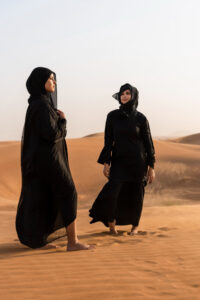
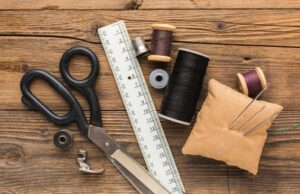
Womens tailoring in Dubai is a dynamic craft that intertwines cultural heritage, modern fashion, and personal expression, creating garments that empower women to feel confident and unique. At Stylish Handy Tailors, we believe tailoring is more than sewing—it’s an art that transforms fabric into wearable stories, reflecting individuality and cultural identity.
Tailoring meets diverse needs: a perfectly fitted abaya for an Emirati woman, a bespoke suit for a corporate professional, or a custom saree for a South Asian expat. Each garment is meticulously crafted, taking into account body shape, lifestyle, and aesthetic preferences. Dubai’s multicultural population drives demand for tailored clothing that respects traditions while embracing global trends. For instance, an abaya might feature traditional embroidery, while a cocktail dress incorporates modern silhouettes. Tailoring also addresses practical needs, such as climate-appropriate fabrics for the UAE’s hot climate, ensuring comfort without sacrificing style.
The process begins with a consultation, where tailors discuss design ideas, take measurements, and select fabrics. This collaborative approach ensures the final garment aligns with the client’s vision. Tailoring is particularly significant in the UAE, where fashion is a form of self-expression and cultural pride. From the souks of Deira to modern ateliers, womens tailoring thrives as a blend of craftsmanship and innovation. Stylish Handy Tailors is dedicated to guiding women through this process, providing expertise to create garments that reflect their unique style.
History of Womens Tailoring in Dubai
The history of womens tailoring in Dubai is a rich narrative of cultural evolution, trade, and craftsmanship. Centuries ago, tailoring was a necessity driven by the region’s climate and cultural values. Emirati women relied on artisans to create abayas and sheilas, designed for modesty and protection from the desert sun. These early garments were hand-stitched using locally sourced or traded fabrics, such as cotton from India or silk from Persia, reflecting the UAE’s role as a hub for trade. Tailors employed techniques like hand-embroidery to incorporate decorative elements, such as geometric patterns or floral motifs, which conveyed social status or tribal affiliations.
In the pre-modern era, tailoring was a community-based craft, with families passing down skills through generations. Women often gathered to sew, sharing techniques and stories, which strengthened cultural bonds. The 20th century brought significant changes, as the Dubai oil boom attracted expat communities, introducing new tailoring demands. South Asian influences brought intricate saree draping and anarkali stitching, while Western styles introduced tailored dresses and suits. Tailors adapted, blending traditional methods with new designs, such as incorporating lace into abayas or structured cuts into gowns.
The rise of urbanization in Dubai, particularly in Dubai and Abu Dhabi, transformed tailoring into a professional industry. By the late 20th century, ateliers emerged, offering bespoke services to a growing affluent population. Today, tailoring combines heritage with innovation, using modern tools like digital pattern-making alongside traditional hand-sewing. Stylish Handy Tailors draws inspiration from this history, preserving the artistry of Emirati tailoring while embracing contemporary trends to create garments that resonate with modern women.
Types of Womens Tailoring Services
Womens tailoring in the UAE encompasses a wide range of services, each designed to meet specific needs and occasions. Stylish Handy Tailors offers expertise in crafting garments that reflect individuality and functionality. Key services include:
Bespoke Dresses: These are custom-designed garments, such as evening gowns or day dresses, created from scratch. The process involves sketching designs, selecting fabrics like silk or tulle, and incorporating details like beadwork or draping. Tailors ensure the dress complements the client’s body shape, enhancing features like the waist or shoulders.
Bridal Tailoring: Wedding gowns demand exceptional craftsmanship, from intricate lace appliqués to flowing trains. Tailors collaborate with brides to create dresses that reflect their unique vision, whether it’s a traditional white gown or a culturally inspired design featuring intricate embroidery.
Cultural Attire: Tailoring for abayas, kaftans, sarees, and anarkalis caters to Dubai’s diverse population. Each garment requires specific techniques, such as embroidery for abayas or pleating for sarees, to honor cultural aesthetics.
Professional Wear: Tailored suits, blazers, and trousers are crafted for women in corporate or creative fields, offering sharp silhouettes and comfortable fits. Fabrics like wool blends ensure both durability and a polished appearance.
Alterations and Restyling: This service involves resizing off-the-rack clothing or transforming vintage garments into modern designs, such as turning a long dress into a chic skirt.
Each service requires a deep understanding of fabric behavior, body proportions, and client preferences. For example, a kaftan might utilize lightweight georgette for a flowing effect, whereas a suit requires a structured fabric for a defined look. Tailors conduct multiple fittings to ensure precision, making adjustments for comfort and style. Stylish Handy Tailors excels in delivering these services, ensuring every garment is a perfect blend of form and function.
Top Considerations for Womens Tailoring
Choosing the right tailor is essential for achieving a garment that fits perfectly and aligns with your vision. Stylish Handy Tailors emphasizes a client-centric approach, ensuring every step of the tailoring process is seamless. Key considerations include:
Expertise in Style: Tailors should have experience in the desired garment type, whether it’s a traditional abaya or a modern gown. Expertise in techniques such as embroidery or pattern drafting is crucial for creating complex designs.
Portfolio Review: Examining a tailor’s past work reveals their skill level and versatility. A diverse portfolio, showcasing everything from sarees to suits, indicates adaptability to various styles.
Effective Communication: Clear discussions about design preferences, fabric choices, and timelines ensure the tailor understands the client’s needs. Visual references, like sketches or photos, aid this process.
Fabric Knowledge: A skilled tailor advises on fabrics suited to the UAE’s climate and the garment’s purpose. For instance, breathable cotton is ideal for summer dresses, while velvet suits evening wear.
Turnaround Time: Tailoring timelines vary—bridal gowns may take weeks due to intricate details, while alterations require days. Understanding the tailor’s schedule prevents delays.
Additional factors include the tailor’s ability to provide fittings, their attention to detail (e.g., ensuring seams are reinforced), and their willingness to offer post-delivery adjustments. Clients should also consider comfort, as a well-tailored garment should feel as good as it looks. Stylish Handy Tailors guides clients through these considerations, offering personalized consultations to create garments that exceed expectations.
Current Trends in Womens Tailoring
Womens tailoring in Dubai is shaped by a dynamic interplay of global and local fashion trends, offering women endless possibilities to express their style. One prominent trend is the fusion of traditional garments with modern elements, such as asymmetrical hems or minimalist embroidery, in designs like abayas. These designs appeal to younger women seeking a balance of heritage and contemporary flair. Another trend is the incorporation of personalized embellishments, such as hand-stitched monograms, crystals, or lace, which allows clients to create unique pieces that reflect their individual personalities.
Tailored professional wear is also evolving, with women opting for bold silhouettes like oversized blazers or tailored jumpsuits in vibrant colors like emerald or coral. Versatile designs, such as dresses with detachable capes or kaftans with adjustable layers, cater to women who need garments for multiple occasions. Seasonal influences play a role—Ramadan collections feature ornate abayas with gold threadwork, while summer designs prioritize lightweight fabrics like linen or chiffon. Tailors are also experimenting with digital fabric printing, creating custom patterns that add a modern twist to traditional attire.
Sustainability is another key trend, with tailors using eco-friendly fabrics and upcycling techniques to reduce waste. For example, a vintage dress might be transformed into a chic skirt, preserving its sentimental value. Stylish Handy Tailors stays at the forefront of these trends, offering clients innovative designs that blend tradition, modernity, and sustainability.
Cultural Influences on Womens Tailoring
The UAE’s multicultural population creates a vibrant tailoring landscape, where garments reflect diverse cultural identities. Emirati women often seek tailored abayas and sheilas, designed to embody modesty and elegance. Abayas feature intricate details, such as zari embroidery, Swarovski crystals, or scalloped edges, tailored to enhance the wearer’s silhouette while respecting cultural norms. Sheilas are crafted to complement abayas, with delicate embroidery or lace that adds sophistication.
South Asian expats drive demand for sarees, anarkalis, and salwar suits, each requiring specialized techniques. Sarees involve precise pleating and intricate border work, often featuring silk or georgette with hand-stitched embellishments, such as zardozi. Anarkalis demand careful attention to the bodice and flared skirt, ensuring a flattering fit. Salwar suits require coordination between the kameez, salwar, and dupatta, with embroidery that reflects regional styles, such as Punjabi phulkari or Lucknowi chikankari.
Western influences introduce tailored dresses and suits, often with minimalist designs or bold silhouettes like A-line dresses or structured blazers. Tailors must understand cultural symbolism, such as colors or patterns, significant to specific communities. For example, red is considered auspicious in South Asian designs, while black is a traditional color for Emirati abayas. This diversity requires versatility in techniques and aesthetics, making womens tailoring in the UAE a unique craft. Stylish Handy Tailors celebrates this cultural mosaic, crafting garments that honor heritage and individuality.
Tailoring for Special Occasions
Special occasions demand garments that captivate and inspire, and tailoring delivers unparalleled elegance. Bridal tailoring is a cornerstone, with gowns crafted to reflect the bride’s vision, whether a classic white dress with lace appliqués or a culturally inspired gown with gold embroidery. The process begins with a detailed consultation, where tailors discuss themes, fabrics, and embellishments. For example, a bride might choose a satin gown with a detachable train for ease of movement, or an abaya-inspired dress featuring intricate beadwork for a culturally inspired wedding.
Evening gowns for galas or cultural celebrations, like Eid or Diwali, feature luxurious fabrics like velvet, tulle, or silk. Tailors employ techniques such as draping to create flowing silhouettes or structured paneling for dramatic shapes. For instance, a Diwali lehenga choli might include hand-stitched sequins and a fitted bodice, tailored to enhance the wearer’s figure. Multiple fittings ensure precision, with adjustments for comfort and mobility.
Cultural events also inspire tailored kaftans or anarkalis, designed with vibrant colors and ornate details. Tailors collaborate closely with clients, sketching designs and selecting embellishments like pearls or crystals to match the occasion’s tone. Stylish Handy Tailors specializes in creating these showstopping garments, ensuring every special moment is unforgettable.
Home Tailoring Services
Home tailoring services bring the atelier to the client’s doorstep, offering convenience for busy women or those with mobility constraints. The process begins with a home visit, where tailors conduct consultations, take measurements, and present fabric swatches. Clients can share design ideas, reference images, or even physical garments for replication, all from the comfort of their own homes. This service is ideal for professionals, new mothers, or women planning events like weddings or cultural celebrations.
The workflow includes design approval, fabric selection, and multiple fittings, often scheduled at the client’s convenience. For example, a client might request a tailored abaya with specific embroidery, and the tailor delivers a finished garment after a series of home visits. Some tailors utilize digital tools, such as apps for sharing mockups or tracking progress, which enhance the overall experience. The final delivery includes adjustments to ensure a perfect fit.
Home tailoring is particularly valuable in the UAE, where busy lifestyles and cultural preferences prioritize personalized service. Tailors ensure privacy and comfort, creating a relaxed environment for consultations. Stylish Handy Tailors offers this bespoke service, making tailoring accessible and stress-free for every woman, whether crafting a casual dress or a bridal gown.
Sustainable Tailoring Practices
Sustainability is reshaping womens tailoring, with a focus on eco-friendly materials and ethical practices. Tailors use fabrics like organic cotton, bamboo silk, or recycled polyester, which are biodegradable or require less water and energy to produce. These materials are breathable and durable, ideal for the UAE’s climate. Upcycling is another key practice, where old garments are transformed into new designs, such as turning a worn saree into a chic dress, preserving sentimental value while reducing waste.
Mindful production techniques include hand-sewing to minimize energy use or sourcing local fabrics to reduce transportation emissions. Tailors also educate clients on garment care, such as hand-washing delicate fabrics or using eco-friendly detergents to prolong the lifespan of their garments. For example, a tailored kaftan made from organic linen can be designed for multiple seasons, with detachable elements for versatility. Sustainable tailoring aligns with the UAE’s environmental goals, promoting a greener fashion industry. Stylish Handy Tailors champions these practices, offering clients eco-conscious options that blend style with responsibility.
Tailoring for Traditional Emirati Attire
Traditional Emirati attire, such as the abaya and sheila, is a cornerstone of womens tailoring in the UAE, embodying modesty, elegance, and cultural pride. Abayas are long, flowing robes designed to cover the body while allowing freedom of movement. Tailors use lightweight fabrics like crepe, georgette, or chiffon to ensure comfort in the UAE’s heat, while heavier fabrics like velvet or satin are chosen for evening or formal wear. The tailoring process involves precise measurements to achieve a flattering drape, with attention to sleeve length, hemline, and neckline.
Embroidery is a hallmark of abaya tailoring, with techniques like zari, sequin work, or hand-stitched floral motifs adding sophistication. Sheilas, or headscarves, are tailored to complement abayas, often featuring delicate lace, scalloped edges, or embroidered borders. Tailors incorporate cultural motifs, such as geometric patterns or traditional Bedouin designs, to reflect Emirati heritage. The craftsmanship requires expertise in hand-finishing, as even minor imperfections can affect the garment’s elegance.
The process involves multiple fittings to ensure the abaya drapes perfectly, with adjustments made for posture and body shape. Tailors also offer customization, such as adding hidden closures or adjustable elements for versatility. Stylish Handy Tailors specializes in crafting authentic Emirati attire, preserving tradition while incorporating modern aesthetics to meet contemporary needs.
Tailoring for South Asian Attire
South Asian attire, including sarees, anarkalis, and salwar suits, is a significant segment of womens tailoring in the UAE, driven by the large expat community. Sarees require meticulous pleating and draping, with tailors ensuring the pallu (decorative end) falls gracefully. Fabrics like silk, georgette, or chiffon are popular, often embellished with zardozi, sequins, or stonework. The tailoring process involves creating a fitted blouse to complement the saree, with precise measurements for the neckline, sleeves, and back.
Anarkalis are floor-length dresses with a fitted bodice and flared skirt, requiring careful attention to proportions. Tailors use techniques like paneling to ensure a flattering silhouette, with embroidery or appliqué work adding elegance. Salwar suits consist of a kameez (tunic), salwar (trousers), and dupatta (scarf), each tailored to coordinate in style and fit. Regional embroidery styles, such as Punjabi phulkari or Kashmiri tilla work, add cultural authenticity.
The tailoring process includes consultations to understand the client’s cultural preferences, followed by multiple fittings to perfect the fit. For example, a wedding anarkali might feature heavy embroidery and a trailing skirt, requiring extra fittings for balance. Tailors also advise on fabric care to maintain vibrant colors and delicate embellishments. Stylish Handy Tailors brings expertise to South Asian tailoring, creating garments that celebrate cultural heritage and personal style.
Tailoring Techniques and Tools
Womens tailoring is a craft that blends artistry with precision, relying on a range of techniques and tools to create flawless garments. Classic techniques include:
Pattern Drafting: Tailors create paper templates based on client measurements, ensuring a custom fit. This involves calculating proportions for darts, seams, and hems, tailored to body shape.
Hand-Sewing: Used for delicate fabrics or intricate details, such as embroidery on abayas or lace appliqués on bridal gowns. It requires skill to ensure even stitches and durability.
Draping: Fabric is pinned directly on a mannequin to create flowing silhouettes, ideal for dresses or kaftans. This technique allows tailors to visualize the final design in real-time.
Machine Stitching: Offers speed and strength for structured garments like suits, with specialized machines for buttonholes or overlocking seams.
Modern tools enhance efficiency. Digital pattern-making software creates precise templates, reducing errors. Laser cutters ensure clean edges for complex designs, such as lace patterns. Measuring tools like tape measures, calipers, and posture analyzers ensure accuracy, especially for clients with unique body proportions. For example, a posture analyzer adjusts a suit’s shoulder line for a client with uneven shoulders. Tailors also use pressing equipment to shape garments, ensuring crisp lines and smooth finishes.
The combination of traditional techniques and modern tools allows tailors to achieve both artistry and efficiency. Stylish Handy Tailors leverages these methods to deliver garments that meet the highest standards of quality and craftsmanship.
Tailoring for Accessories
Tailored accessories, such as bags, belts, or headpieces, elevate womens outfits with personalized details. A custom clutch might be crafted from the same fabric as a dress, creating a cohesive look for a gala. Tailored headpieces, like sheilas or fascinators, complement cultural or formal attire, often featuring embroidery, lace, or beadwork. Belts, whether cinched for a dress or decorative for an abaya, require precise measurements to ensure a snug, flattering fit.
The tailoring process for accessories involves smaller-scale techniques, such as hand-stitching for delicate details or leatherworking for belts. Tailors collaborate with clients to align accessories with their outfits, ensuring harmony in color, texture, and style. For example, a bridal headpiece might feature pearls to match a gown’s embellishments, while a tailored bag incorporates embroidery from a kaftan. Consultations focus on functionality, such as ensuring a clutch is spacious enough for essentials or a belt is adjustable.
Tailors use specialized tools, like embroidery needles or leather punches, to achieve precision. The process includes mockups or samples to confirm the design before final production. Stylish Handy Tailors offers bespoke accessory tailoring, adding a unique touch to every outfit with meticulous craftsmanship.
Tailoring for Maternity Wear
Maternity tailoring creates garments that celebrate pregnancy while ensuring comfort and style. Tailors design dresses, tops, abayas, or suits that accommodate growing bellies, using stretch fabrics like jersey, elastane blends, or soft cotton. Techniques such as ruching, side gathers, or adjustable waistbands enable garments to accommodate changing body shapes. For example, a tailored maternity abaya might feature a loose silhouette with gathered sides, providing room while maintaining elegance.
The process begins with a consultation to understand the client’s stage of pregnancy, lifestyle, and style preferences. Tailors in the UAE prioritize breathable, soft fabrics to ensure comfort in the region’s climate, with designs that flatter the figure, such as empire-waist dresses or A-line tops. Nursing-friendly features, such as hidden zippers or wrap fronts, enhance functionality for postpartum wear. Multiple fittings are scheduled to adjust for body changes, ensuring the garment remains comfortable throughout pregnancy.
Tailors also offer styling advice, recommending colors or patterns that enhance the client’s glow, such as soft pastels or subtle prints. The process includes mockups to visualize the design, with adjustments for posture or weight distribution. Stylish Handy Tailors crafts maternity wear that empowers women to feel confident and beautiful at every stage of their journey.
Tailoring Education and Workshops
Learning to tailor opens doors to creativity and career opportunities, and the UAE’s vibrant fashion scene makes it an ideal place to study the craft. Tailoring education encompasses workshops on sewing, pattern making, embroidery, and fabric selection, catering to both beginners and advanced learners. Beginner courses focus on foundational skills, such as using a sewing machine, taking measurements, or stitching basic garments like skirts. Advanced workshops cover complex techniques, like draping for gowns or hand-embroidery for abayas.
Students learn to work with diverse fabrics, from delicate chiffon to structured wool, and master cultural tailoring nuances, such as pleating sarees or designing kaftans. Workshops also teach digital tools, like pattern-making software, to enhance precision. Instructors emphasize practical skills, guiding students through projects like creating a tailored dress or altering a suit. Online resources, including video tutorials and books, supplement in-person learning, while mentorship from experienced tailors provides hands-on guidance.
Career paths include working in ateliers, starting a freelance business, or joining fashion houses. Workshops also cover business skills, like marketing a tailoring portfolio or sourcing fabrics. The UAE’s multicultural market offers opportunities to specialize in niches like bridal or cultural attire. Stylish Handy Tailors inspires learners to master the craft, offering a model of excellence in tailoring education.
Technology in Womens Tailoring
Technology is transforming womens tailoring, enhancing precision, efficiency, and personalization. Digital pattern-making software generates accurate templates based on client measurements, thereby reducing errors and streamlining production. For example, a tailor can input measurements to generate a pattern for a bespoke dress, taking into account unique body proportions. 3D body scanning captures detailed measurements, ensuring a perfect fit without the need for multiple fittings, especially for complex garments like bridal gowns.
Virtual fitting apps enable clients to preview designs on digital avatars, allowing for real-time adjustments to elements such as hemline or embroidery placement. For instance, a client can see how a tailored abaya looks with different sleeve designs before sewing begins. Automated cutting machines produce intricate patterns, such as lace for evening gowns, with precision that rivals hand-cutting. AI-driven design tools suggest styles based on client preferences, blending creativity with efficiency.
These technologies complement traditional craftsmanship, enabling tailors to focus on artistic details such as hand-stitched embellishments. For example, a tailor might use a laser cutter to create a lace pattern, then hand-sew it onto a kaftan for a custom touch. The integration of technology enhances the client experience, offering faster turnarounds and greater customization. Stylish Handy Tailors embraces these innovations to deliver cutting-edge tailoring solutions that meet modern demands.
Tailoring for Modest Fashion
Modest fashion is a vital segment of womens tailoring in the UAE, driven by cultural values and personal preferences. Tailors create garments like abayas, hijabs, long dresses, or tunics that prioritize coverage while embracing style. Abayas, for example, feature loose silhouettes, high necklines, and long sleeves, often crafted from lightweight fabrics like crepe or georgette for comfort in the UAE’s climate. Tailors add elegant details, such as minimalist embroidery or subtle beadwork, to enhance aesthetics without compromising modesty.
Hijabs and sheilas are tailored to complement outfits, with options like wrap-around designs or pinned styles for versatility. Long dresses or tunics, popular among both locals and expats, combine flowing silhouettes with modern trends, such as asymmetrical hems or layered designs. Tailors employ techniques such as draping to ensure a flattering fit, making adjustments for individual posture and body shape. For example, a modest evening dress might feature a floor-length design with a cinched waist and delicate lace sleeves, striking a balance between elegance and coverage.
The tailoring process involves consultations to understand the client’s modesty preferences, such as coverage level or fabric opacity. Multiple fittings ensure comfort and functionality, featuring detachable capes for added flexibility. Stylish Handy Tailors excels in modest fashion, creating garments that honor tradition while reflecting contemporary style.
Tailoring for Performance Wear
Performance wear, such as costumes for dance, theater, or cultural events, requires tailoring that blends aesthetics with functionality. Tailors design garments that allow for freedom of movement, using stretch fabrics such as spandex, Lycra, or lightweight cotton. For example, a dance costume might feature a tailored leotard with a flowing skirt, designed to withstand vigorous movement while enhancing stage presence. Theater costumes, such as period dresses or traditional cultural attire, require a balance of historical accuracy and dramatic flair, often incorporating intricate embroidery or layered designs.
The tailoring process involves collaboration with performers to understand their needs, such as quick-change features (e.g., Velcro closures) or reinforced seams for durability. Tailors take measurements in dynamic poses, like lunges or twirls, to ensure flexibility. Embellishments, such as sequins, metallic threads, or feathers, add visual impact when carefully placed to avoid hindering movement. For instance, a cultural performance kaftan might feature lightweight fabric with sparkling beadwork, tailored to flow during dance.
Consultations focus on the performance’s theme and venue, ensuring the costume aligns with the artistic vision. Multiple fittings confirm a proper fit and functionality, with adjustments made for optimal comfort during extended performances. Stylish Handy Tailors crafts performance wear that empowers artists to shine, combining artistry with practicality.
Tailoring for Seasonal Collections
Seasonal tailoring caters to the UAE’s climate and cultural calendar, creating garments that align with environmental and social needs. Summer collections prioritize lightweight, breathable fabrics like linen, cotton, or chiffon, with loose silhouettes to combat heat. Designs like tailored dresses or abayas feature open necklines or short sleeves for ventilation, with pastel colors or floral prints for a fresh look. Winter collections use heavier fabrics like wool, velvet, or cashmere, ideal for cooler evenings, with layered designs like caped abayas or structured coats.
Festive seasons, such as Ramadan, Eid, or Diwali, inspire ornate designs with intricate embroidery, sequins, or gold threadwork. For example, a Ramadan abaya might feature delicate lacework and a flowing silhouette, while a Diwali lehenga includes vibrant colors and heavy embellishments. Tailors plan collections months in advance, sketching designs and sourcing fabrics that reflect seasonal trends. The process involves consultations to understand client preferences, followed by fittings to ensure comfort and style.
Tailors also create versatile designs, such as dresses with detachable layers or kaftans with adjustable belts, allowing women to adapt garments for multiple seasons. Stylish Handy Tailors crafts seasonal collections that capture the UAE’s dynamic fashion calendar, delivering garments that are both timely and timeless.
Tailoring for Everyday Wear
Everyday tailoring focuses on versatile, comfortable garments for daily life, from casual dresses to tailored trousers or abayas. These pieces prioritize functionality, using durable fabrics like cotton blends, denim, or lightweight polyester that withstand frequent wear and washing. Designs balance style and practicality, such as a tailored jumpsuit with a relaxed fit for errands or a dress with pockets for convenience. Tailors consider the client’s lifestyle—whether a student, professional, or homemaker—to create garments that suit their routine.
The tailoring process begins with a consultation to understand daily needs, such as preferring breathable fabrics for the UAE’s climate or designs that transition from work to leisure. For example, a tailored casual abaya might feature a simple silhouette with subtle embroidery, ideal for shopping or social outings. Techniques like reinforced seams or double stitching ensure durability, while stretch panels or adjustable elements add comfort.
Multiple fittings perfect the fit, with adjustments for posture or movement. Tailors also offer styling advice, recommending versatile colors or patterns that pair easily with accessories. For instance, a neutral-toned dress can be styled with scarves or jewelry for different occasions. Stylish Handy Tailors crafts everyday wear that makes every day feel special, blending style with ease.
Call to Action
Discover the art of womens tailoring with Stylish Handy Tailors, where we transform your vision into reality with precision and creativity. Share your tailoring needs, explore our portfolio, or book a consultation to start your journey. Connect with us on social media to stay updated on trends and share your tailoring stories.
Frequently Asked Questions
1. What are the best Womens tailors in Dubai for 2025?
Dubai boasts top spots like Prive Atelier for bespoke gowns, House of Tailors for sustainable custom suits, and Dream Girl Tailors for affordable designer replicas—perfect for every style and budget.
2. How much does womens tailoring cost in Dubai?
Prices vary: basic alterations start at AED 50–100, while custom dresses or suits range from AED 500–5,000+, depending on fabric and complexity—always get a quote for transparency.
3. How long does it take to get a custom womens dress tailored in Dubai?
Most bespoke pieces take 1–3 weeks, but express services at places like 800 Tailor can deliver in 3–5 days—ideal for last-minute events.
4. Where can I find affordable womens tailoring in Dubai?
Head to Satwa or Deira for gems like Whistle & Flute (under AED 650 for suits) or Three Star Tailor—quality craftsmanship without the luxury markup.
5. What services do womens tailors in Dubai offer?
From hemming jeans to full bespoke abayas, gowns, and suits—many like My Tailor & Little Things also handle alterations, resizing, and even corporate uniforms.
6. Are there home tailoring services for women in Dubai?
Yes! 800 Tailor and Tailor Me provide pickup/delivery and at-home fittings—convenient for busy lifestyles, with female tailors available on request.
7. Which Dubai tailors specialize in womens wedding gowns?
Prive Atelier and Dream Girl Tailors excel in custom bridal wear, using premium fabrics for flawless fits—book early for intricate designs.
8. Can I get designer womens clothing replicated by tailors in Dubai?
Absolutely—Dream Girl Tailors and Deepa’s Textile specialize in recreating high-end looks affordably, with precise stitching for that luxurious vibe.
9. What fabrics are best for womens tailoring in Dubai’s climate?
Opt for breathable options like cotton, linen, or georgette—tailors at House of Tailors source eco-friendly, lightweight fabrics to beat the heat stylishly.
10. How do I choose the right womens tailor in Dubai?
Look for experience, reviews, and fittings—visit Prive Atelier for consultations or check Harper’s Bazaar lists for vetted pros ensuring perfect personalization.
11. Do tailors in Dubai offer alterations for womens suits?
Yes, House of Tailors adjusts blazers, trousers, and skirts for slimming or lengthening effects—meticulous work to enhance your silhouette.
12. Where are the best tailors for womens abayas in Dubai?
Sui Dhaaga in Deira and Elbha Ladies Tailoring craft versatile, custom abayas with premium details—ideal for modest elegance.
13. Is there a tailor in Dubai for plus-size womens clothing?
Many like The Art of Tailoring and Kachins Couture specialize in inclusive sizing, ensuring bespoke fits that flatter every curve with precision.
14. What makes bespoke womens tailoring unique in Dubai?
It’s all about personalization—tailors like Tailor UAE use precise measurements and luxury fabrics for one-of-a-kind pieces that reflect your vibe.
15. Can Dubai tailors handle quick turnaround for womens outfits?
Whistle & Flute delivers in 10 days, while Minutes offers same-day alterations—great for urgent needs without sacrificing quality.